Game night hosting tips: How to deal cards, snacks, and chaos like a pro
September 17, 2026Key Takeaways
A successful game night needs less perfection than thoughtful preparation. Choose playable games, make food easy to reach, and leave enough room for conversation and the occasional dramatic gasp.
- Match the games to your guests, space, and available time.
- Keep seating, supplies, snacks, and drinks easy to access.
- Start with a welcoming game before introducing heavier strategy.
- Explain rules clearly and settle disagreements lightly.
- Watch the mood so you can change plans without fuss.
Set the table for a gloriously playable evening
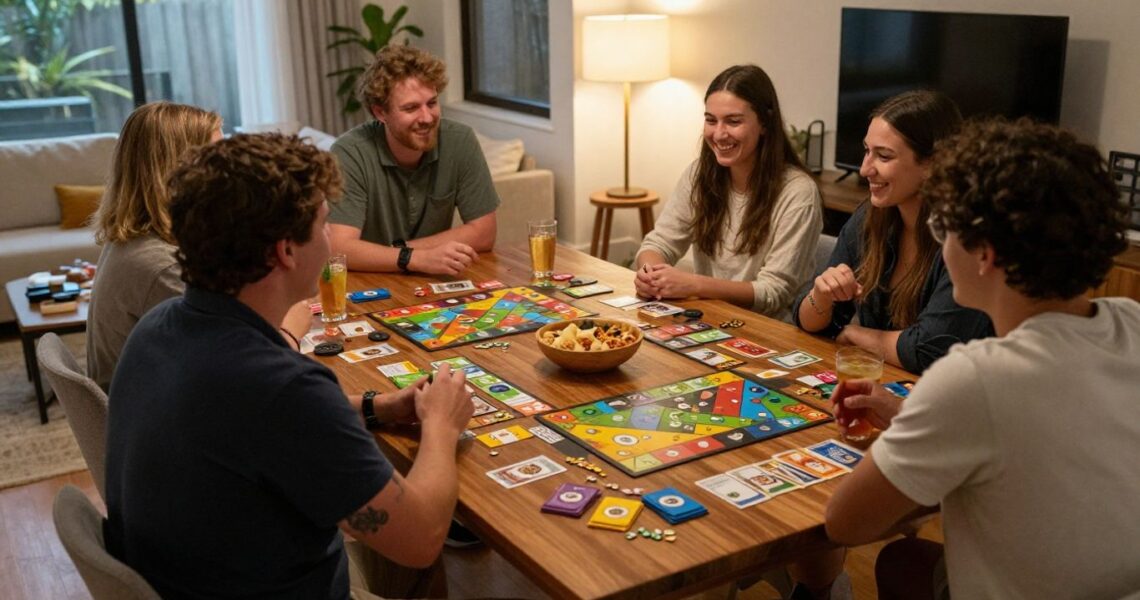
A good game night begins before anyone draws a card or rolls a die. Your room should make it easy to see the board, reach the snacks, and get up without requiring three people to perform a furniture shuffle. You do not need a showroom-worthy setup; you need a space that can survive enthusiastic playing.
Choose games that match your guest list
Start with the people, not the game shelf. Consider how many guests are coming, whether they enjoy deep strategy or quick laughs, and whether anyone is new to tabletop games. A game that is marvellous for four patient players may become a slow-moving swamp with eight people who would rather chat.
Check the playing time as well as the player count. If the box suggests a long session, decide whether your guests will enjoy that commitment or whether it should be reserved for later, once everyone has settled in.
Create a flexible seating and playing area
Use a table with enough elbow room for boards, cards, player pieces, and the inevitable collection of half-finished drinks. Chairs should be comfortable enough for a full round, but leave a clear path to the kitchen and bathroom. If the only way out involves climbing over the person holding the score sheet, your layout needs another look.
A side table or nearby shelf can hold games waiting their turn. Clear away decorative objects that are likely to be nudged into the discard pile, and keep lighting bright enough that no one mistakes a token for a crumb.
Keep rules, score sheets, and supplies within reach
Before guests arrive, gather pencils, timers, spare paper, tokens, and any reference cards the game requires. Put them in one visible place rather than sending everyone on a household treasure hunt between rounds. A little preparation prevents the familiar pause in which six people search for one tiny wooden marker.
If a game needs a phone timer or app, charge the device and open what you need beforehand. You can also place a short rules summary beside the board, which is far kinder than passing around the full rulebook like a legal document.
Build in room for snacks without sacrificing the board
Keep food close enough to reach but not so close that crumbs land directly on the cards. A separate snack surface works beautifully, especially for games with many components. Small bowls also help people take a portion and return to play without creating a queue at the kitchen bench.
Protect the playing surface with coasters and sensible serving dishes. You are hosting friends, not a museum exhibit, so relax about the odd spill; just make the easy choice the safe one.
Invite the right mix of players
The guest list shapes the entire evening. You are not simply filling chairs; you are building a group that can share attention, tolerate a little silliness, and recover when a plan goes sideways. A clear invitation also helps people arrive knowing what sort of night they are joining.
Pick a guest count that keeps games moving
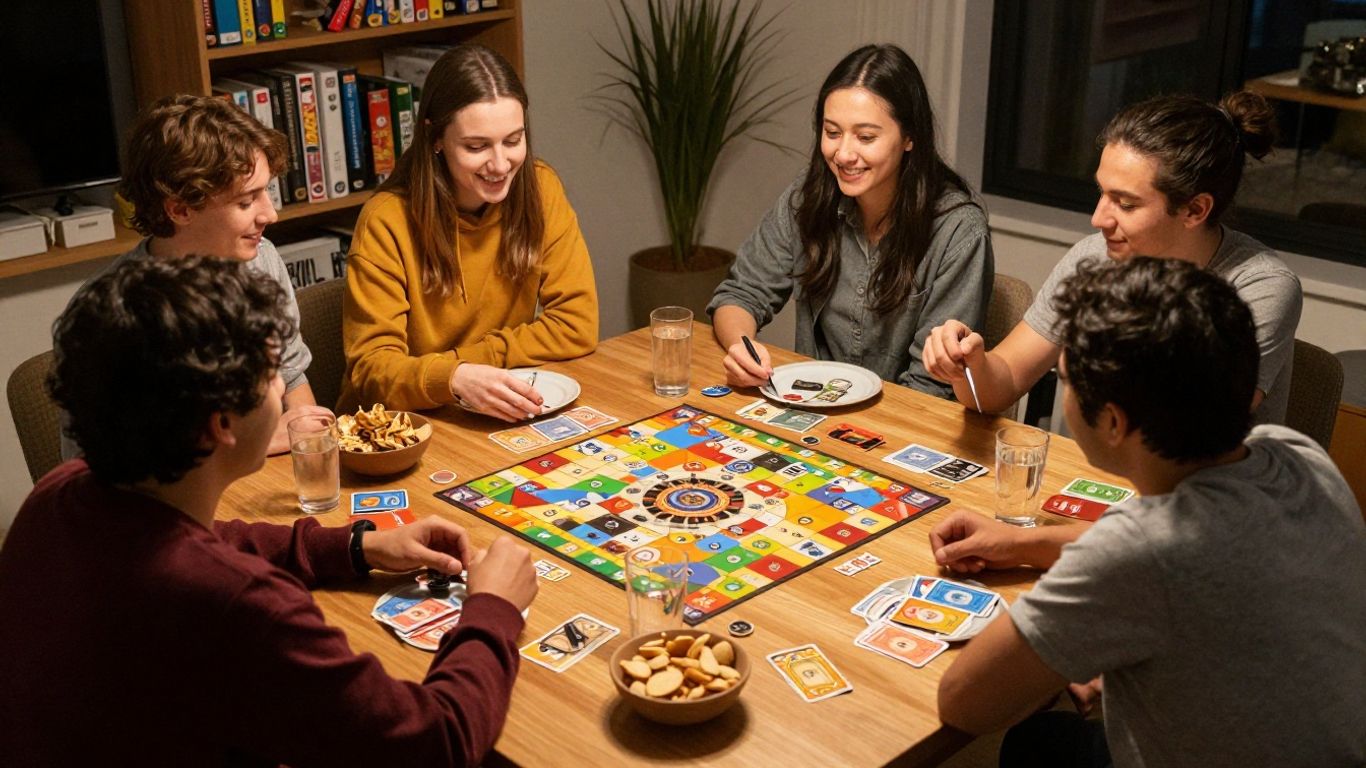
Choose a number that suits the games you actually want to play. Smaller groups often suit tactical games with individual turns, while larger groups may work better with teams, party games, or activities where everyone stays involved between turns.
If your numbers are uncertain, select games that handle a range of players. It is much easier to welcome an unexpected guest when your plan does not depend on precisely four chairs and one very specific alliance.
Balance competitive, casual, and first-time players
A mixed group can be excellent when the evening gives everyone a way in. Pair a demanding game with something lighter, and avoid making the newest player learn through a public ambush. Experienced players can explain choices without narrating every mistake like a sports commentator.
You might also invite guests to form teams or play cooperatively for the first round. Shared victories take some pressure off and give people a chance to learn the group’s rhythm.
Give guests useful details before they arrive
Your invitation should include the start time, approximate finish, location, and whether guests should bring anything. Tell people if the evening centres on tabletop games, so nobody arrives expecting a formal dinner and wonders why the salad has been moved to the side table.
Mention the general mood too: relaxed, competitive, silly, strategic, or a mixture. Useful information makes it easier for guests to choose their energy before they walk through the door.
Plan for the friend who says, “I’m not really a game person”
Do not treat this sentence as a challenge to their character. Offer an easy, social game and let them watch a round without pressure. Often, seeing people laugh at a table is a more persuasive invitation than a passionate explanation of twelve phases and a scoring track.
Give them a small role if they want one, such as choosing the next game or dealing cards. They may join in later, or they may simply enjoy the company; both outcomes are perfectly respectable.
Build a game lineup with momentum
A lineup gives the evening shape without turning it into a timetable. Think of it as a gentle arc: welcoming at the start, more engaging once everyone is comfortable, then lighter again as people tire. You can keep the plan loose while still avoiding the dreaded question, “So, what do we play now?”
Start with an easy win to break the ice
Open with a game that has simple rules and quick turns. The first activity should help guests learn names, settle into the room, and laugh without needing a seminar. Save the intricate strategy for when everyone has a drink, a seat, and a sense of how the evening works.
A short opener also protects you from a late arrival. Someone can join the next round without needing a full explanation of a complicated board state.
Mix strategy, laughter, and low-stakes chaos
Variety keeps the table fresh. Follow a thoughtful game with something expressive or quick, then return to a game that rewards concentration if the group still has the appetite for it. Nobody wants every round to feel like the same meal served in a different bowl.
Plan around the group’s energy rather than your personal favourites. A clever game can be wonderful, but not if everyone is too busy laughing to read the next instruction.
Know when to retire a game before it overstays its welcome
Pay attention to the small signs: people checking the time, discussing snacks more than moves, or quietly suggesting completely different activities. Even a good game can lose its shine when the room has moved on. Calling the final round while people are still enjoying themselves is a hosting skill, not a defeat.
End on a clear moment when possible. A completed round feels satisfying; an unfinished game spread across the table can make the evening feel as though it was interrupted by a minor administrative error.
Prepare backup options for different moods and group sizes
Keep two or three alternatives nearby, with different player counts and levels of effort. That way, you can respond when a guest arrives late, a game finishes early, or everyone suddenly wants something more ridiculous.
Useful backup categories include:
- A quick game that takes little explanation.
- A team activity for a larger group.
- A quiet option for people who want to concentrate.
- A cooperative choice for a less competitive mood.
The best backup is one you can explain in a few minutes and set up without emptying an entire cupboard. Flexibility makes you look calm, even when the original plan has quietly wandered off.
Feed the players without creating a culinary side quest
Food should support the evening, not become its main production. Choose things guests can eat between turns, serve drinks where people can reach them, and avoid creating a menu that requires you to leave the table every ten minutes. Your future self will be grateful when you are still present for the final round.
Serve snacks that survive enthusiastic gameplay
Look for food that is tidy, sturdy, and easy to portion. Sliced fruit, crackers, vegetable sticks, sandwiches, muffins, and small pastries tend to be friendlier to cards than anything dripping, powdery, or determined to escape its bowl.
Use napkins generously and put a small rubbish bowl nearby. If guests can clean their hands without crossing the room, the game pieces have a much better chance of surviving the evening with dignity.
Match drinks to the pace of the evening
Offer water alongside whatever else you serve, and use cups that are easy to identify. Lidded bottles or tumblers can be especially useful near a crowded board. You do not need an elaborate drinks menu; a few clear choices are easier for everyone.
For a long session, place drinks on a separate surface where people can refill without leaning across the game. That tiny bit of distance protects both the board and your patience.
Accommodate allergies, diets, and picky eaters gracefully
Ask about dietary needs when people RSVP, then label shared dishes plainly. Keep suitable options separate rather than making one guest investigate every bowl like a detective. You can make the food welcoming without turning the invitation into a questionnaire.
A couple of dependable basics usually cover more people than an ambitious menu. If you are unsure, ask what would make the guest comfortable and take the answer at face value.
Set up a self-serve station that prevents kitchen traffic jams
Put plates, cutlery, napkins, drinks, and bins together in one area. Refill it before the supply disappears completely, but otherwise let guests help themselves. This keeps you at the table and stops the kitchen becoming an accidental second venue.
A simple arrangement also signals that guests are welcome to grab something without asking. That matters when everyone is concentrating and nobody wants to interrupt the person explaining a particularly suspicious move.
Explain the rules without triggering a table revolt
Rules are necessary, but a full reading of the manual is rarely the evening’s most anticipated entertainment. Your job is to give people enough information to make sensible first moves, then let the game teach the rest. Keep the explanation practical and allow questions without letting one question become a ten-minute historical lecture.
Use a quick teach instead of reading the entire rulebook
Explain the goal first, then describe what happens on a turn and how the game ends. Leave unusual exceptions until they matter. People remember rules better when they can connect them to an action they are about to take.
Ask whether everyone is ready before beginning. If someone is still arranging their chair or choosing a drink, wait a moment rather than launching into the most important detail of the game at maximum speed.
Demonstrate tricky turns with a sample round
A short demonstration can clarify more than several paragraphs of explanation. Show how a turn starts, what choices are available, and what a completed turn looks like. If the first round is low stakes, tell players that openly so nobody feels trapped by an early mistake.
Let guests ask questions while you demonstrate, but keep moving. The aim is a shared picture of the game, not a flawless performance by the host.
Clarify house rules before the competition begins
If you are changing a rule, say so before anyone makes a decision affected by it. Keep house rules simple, apply them consistently, and avoid inventing new ones halfway through a tense round unless everyone agrees.
It helps to repeat the unusual rule just before it becomes relevant. That small reminder prevents the classic complaint that nobody knew, delivered by someone who was physically present for the explanation.
Handle disputes without appointing a supreme court
When a disagreement appears, pause and check the rulebook or the agreed house rule. If the answer is unclear, choose a temporary interpretation and move on. You can investigate properly after the round, when nobody is holding a card and waiting for justice.
Keep your tone light while still taking concerns seriously. A fair decision matters, but so does preserving the evening for everyone else at the table.
Keep the energy high and the competition friendly
Good hosting is partly about noticing what the room needs next. Some groups become louder as they relax; others need a break before anyone becomes mysteriously hostile towards a cardboard token. You can guide the pace without controlling every minute.
Use mini-prizes and playful bragging rights
Small rewards can make ordinary rounds feel special. Offer first choice of the next game, a homemade certificate, or the right to give the winner an absurd title. The prize should add humour, not make the result feel like a referendum on anyone’s intelligence.
You can also keep a running list of memorable moments, provided everyone is comfortable with it. A ridiculous move often becomes a better souvenir than the final score.
Make room for breaks, side conversations, and stretching
Pause between games so guests can refill drinks, check their phones, or simply stand up. Conversations will happen while you play, but people also need moments where they are not trying to listen and calculate at the same time.
A short break can reset a flagging room. It also gives you a chance to clear cups, straighten the board, and quietly locate the missing pencil.
Redirect sore losers and overachieving strategists
If someone becomes too intense, shift attention back to the shared fun rather than publicly scolding them. A team game, a silly challenge, or a short pause can lower the temperature. You can acknowledge that competition is enjoyable while making it clear that personal attacks are not part of the evening.
The same applies to the guest who analyses every possible move aloud. Thank them for their enthusiasm, then invite everyone else to choose for themselves. A table needs room for different playing styles.
Adapt the plan when the group’s mood changes
Your original schedule is a suggestion, not a contract. If guests want to keep talking, delay the next game; if energy is fading, choose something shorter. The most successful hosts notice the mood early enough to change direction before the room starts dragging itself towards the finish line.
Keep one easy option available for a late-night reset. Sometimes the perfect final activity is the one nobody expected to play.
Finish the night like a host people want to invite back
A graceful ending is part of the experience. You do not need to keep guests entertained until every light in the house feels tired. Give people a clear sense of what is happening next, make departures easy, and leave enough energy to enjoy the last few minutes yourself.
Know when to call the final round
Watch for natural stopping points, such as the end of a game or the completion of a planned set. Give guests a little warning before the final round so nobody feels ambushed by the sudden appearance of your cleaning cloth.
A simple announcement works: one more round, then snacks and goodbyes. Clarity lets people settle into the ending rather than wondering whether another game is about to materialise.
Pack away games before the cardboard confetti spreads
Sort components while the game is still fresh in everyone’s memory. Ask players to help return pieces to trays or bags, and check the floor before chairs move. This is faster than discovering a tiny token beneath the sofa several weeks later.
Keep unfinished games together if you plan to resume them. A tray, large bag, or labelled container can preserve the layout without requiring a photographic reconstruction.
Offer simple leftovers and departure-friendly refreshments
Put leftover snacks somewhere visible and offer water or a warm drink before guests leave. Small takeaway containers can be handy if there is more food than the room can sensibly finish.
You are not required to prepare a second meal at midnight. A few easy options and a clear invitation to help themselves are more than enough.
Collect feedback for the next legendary rematch
The next day, ask what people enjoyed and which games felt too long, too confusing, or exactly right. Keep the questions casual; you are gathering useful impressions, not conducting a formal review.
Write down the suggestions while they are fresh. Over time, you will build a reliable sense of which games suit your friends, which snacks disappear first, and when the evening naturally reaches its happy ending.
Frequently Asked Questions
How many people should you invite to a game night?
Invite a number that suits the games, table, and social energy you can comfortably manage. A smaller group can be ideal for strategic games, while larger gatherings often work best with teams or activities designed for everyone to participate.
How long should a game night last?
Allow enough time for arrivals, food, several rounds, and a relaxed finish. A clear start and approximate end time helps guests plan, while a flexible schedule lets you respond to the group’s mood.
What games work well for first-time players?
Choose games with simple turns, a clear objective, and a short playing time. Cooperative or team-based options can also reduce pressure while people learn how the group plays.
What food is easiest to serve at game night?
Choose tidy, bite-sized food that can sit out safely and be eaten between turns. Offer a mixture of filling and lighter options, with napkins and rubbish bowls close to the playing area.
How can you keep drinks away from the board?
Set up a separate drinks station with clearly identifiable cups or bottles. Coasters, lidded containers, and a rule that drinks stay off the playing surface can prevent most avoidable accidents.
What should you do when guests disagree about a rule?
Pause the game, check the instructions if possible, and use a temporary decision if the answer remains unclear. Apply the same interpretation consistently, then revisit the question after the round rather than letting the dispute consume the evening.
How do you end game night without seeming abrupt?
Give a friendly warning before the final round, then make the next steps clear. Offer a last drink or snack, invite help with packing away, and let guests leave at their own pace once the planned stopping point arrives.